High temperatures and humidity levels in a sauna or bathhouse create favorable conditions for the growth of harmful microorganisms, including bacteria, mold, mildew, and fungi. To prevent these issues, every sauna or bathhouse should be equipped with an effective ventilation system. The air inside the facility must be regularly renewed, and all surfaces should be properly dried after use. In this article, we will discuss the basic principles of sauna ventilation, common system layouts, and the most frequent installation mistakes.
Ventilation Layouts for Saunas and Bathhouses
If you are planning a ventilation system for your sauna or bathhouse, it is highly recommended to consult a specialist or order a professional engineering design. An effective ventilation system should provide adequate air circulation throughout all areas of the facility, including the changing room, relaxation room, steam room, shower area, and swimming pool area.
There are three main types of sauna ventilation systems:
Natural ventilation
Mechanical (forced) ventilation
Combined ventilation
Natural ventilation relies on the natural movement of air through windows, doors, and ventilation openings. Mechanical ventilation uses specially designed fans with a high level of moisture protection. Ventilation fans should be configured to operate either as supply units or exhaust units, depending on the system design.
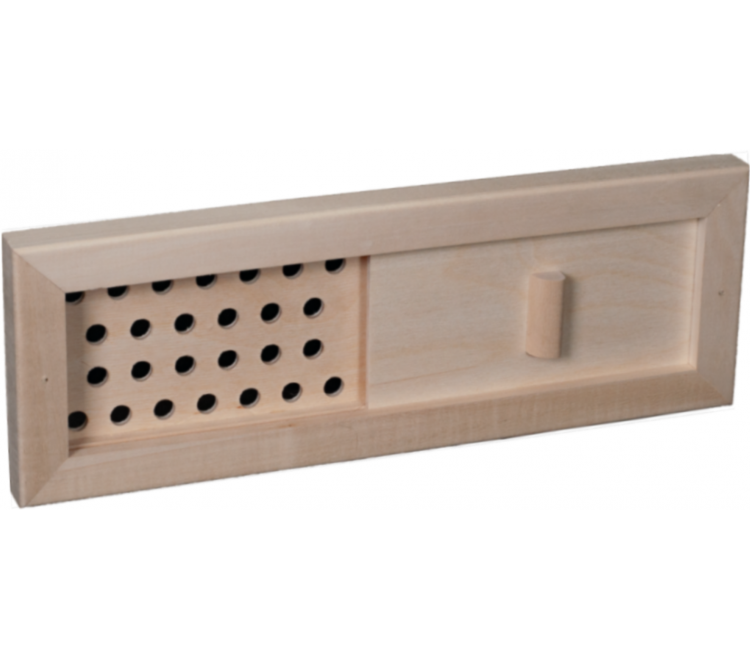
Each room should be equipped with both air supply and exhaust openings. Supply vents are typically fitted with adjustable dampers or shutters that allow airflow regulation. Poor ventilation performance is often the result of incorrectly positioned air ducts or improperly selected fan specifications.
To prevent insects and rodents from entering through ventilation openings, metal protective grilles should be installed. If the sauna or bathhouse is part of a larger building, its ventilation system can be connected to the building’s central ventilation network.
Natural Ventilation Through Windows
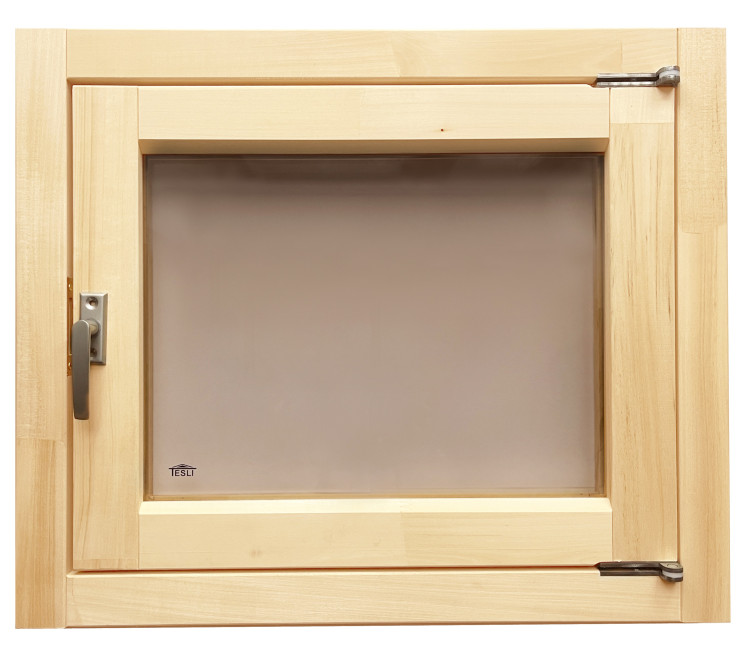
When a sauna or bathhouse is finished with high-quality natural wood, proper ventilation can often be achieved simply by periodically opening windows and doors. Natural wood helps regulate indoor humidity and contributes to a healthier microclimate.
During ventilation, excess moisture can be removed within minutes, allowing wooden surfaces to dry much faster. Installing windows in a sauna or bathhouse helps prevent many problems associated with poor ventilation, including:
Mold and mildew growth
Condensation buildup
Unpleasant odors
Wood decay and deterioration
For this reason, ventilation planning should be considered at the earliest stages of sauna design and construction. Correctly designed ventilation is significantly more cost-effective than dealing with moisture damage, mold remediation, or structural repairs later on.
A properly ventilated sauna provides a healthier environment, extends the lifespan of wooden finishes, and ensures a comfortable and enjoyable experience for years to come.